


Battle of Alnwick, 1174. In pursuit of his claims to the northern shires, William I ‘the Lion’, king of Scotland, invaded England in 1173 and 1174. In 1174, having failed to take Carlisle, Wark, and Prudhoe castles, William in frustration decided to ravage the coastal plain of Northumberland. On the morning of 13 July, while most of his men were scattered across the countryside, William and the few knights he had with him were caught completely by surprise just outside Alnwick castle by a force loyal to Henry II led by Ranulf Glanvill. A sharp fight followed before William was led away in captivity to Henry II who imposed severe terms. The battle effectively ended the Great Rebellion (1173–4) in England.
S. D. Lloyd
The Oxford Companion to British History JOHN CANNON
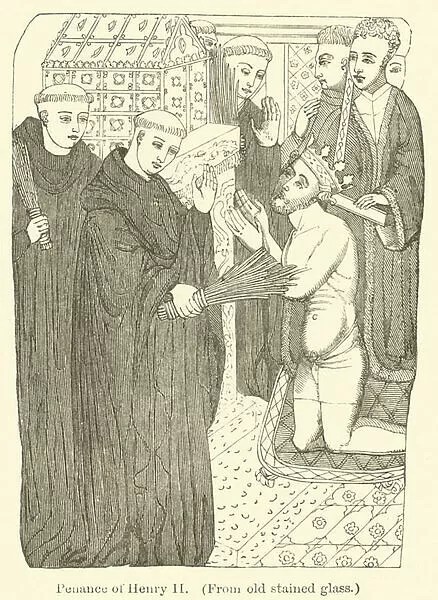
This battle coincided with the performance of penance by Henry II at the tomb of St. Thomas Becket. After his public and humbling penance (13 July 1174) Henry learns that William the Lion has been captured presaging the end to the revolt of 1173 that involved his sons, the Scots and the French. This caused Ranulf’s star to rise as well. Historian W.L. Warren wrote that this was the best way to separate Saint Thomas Becket from the rebel’s cause.
On the following morning, 17 July 1174 Henry was awakened with the good news that Ranulf had made up a force of local landowners had found a small band of Scottish knights relaxing in a meadow in front of Alnwick Castle, among them King William the Lion. Henry’s men came out of a thick mist and pounced upon the surprised men. It was a fight to the death or capture but Ranulf and his men prevailed.
(55.412600, -1.708960) Alnwick,

 Ranulf de Glanville and Henry II